
Introduction to Web Development for Beginners
Getting Started with Web Development: A Beginner’s Guide

ICYMI
As a Web Engineer, when I think about writing code, I see it as an art form, much like composing a symphony. Just as Mozart, Beethoven, or Tchaikovsky crafted beautiful melodies, your code should be a harmonious blend of logic and creativity. As a Developer or Engineer, you're a problem solver. Find your rhythm, and let it guide your process. Each problem has a logical solution, but how you implement that logic is uniquely yours. It's normal to feel like an imposter sometimes (as I once did) but remember, the solution lies in understanding the problem and thinking creatively. Don't let fear hold you back. Discover your pattern, embrace your style, and keep pushing forward.
Without further ado, shall we begin?
INTRO
Web development is an exciting and ever-evolving field that opens doors to endless creative and professional opportunities. Whether you're looking to build your personal portfolio, launch a startup, or switch careers, understanding the fundamentals of web development is your first step. In this guide, we'll dive deep into the basics, helping you understand the technologies, tools, and resources you'll need to begin your journey.
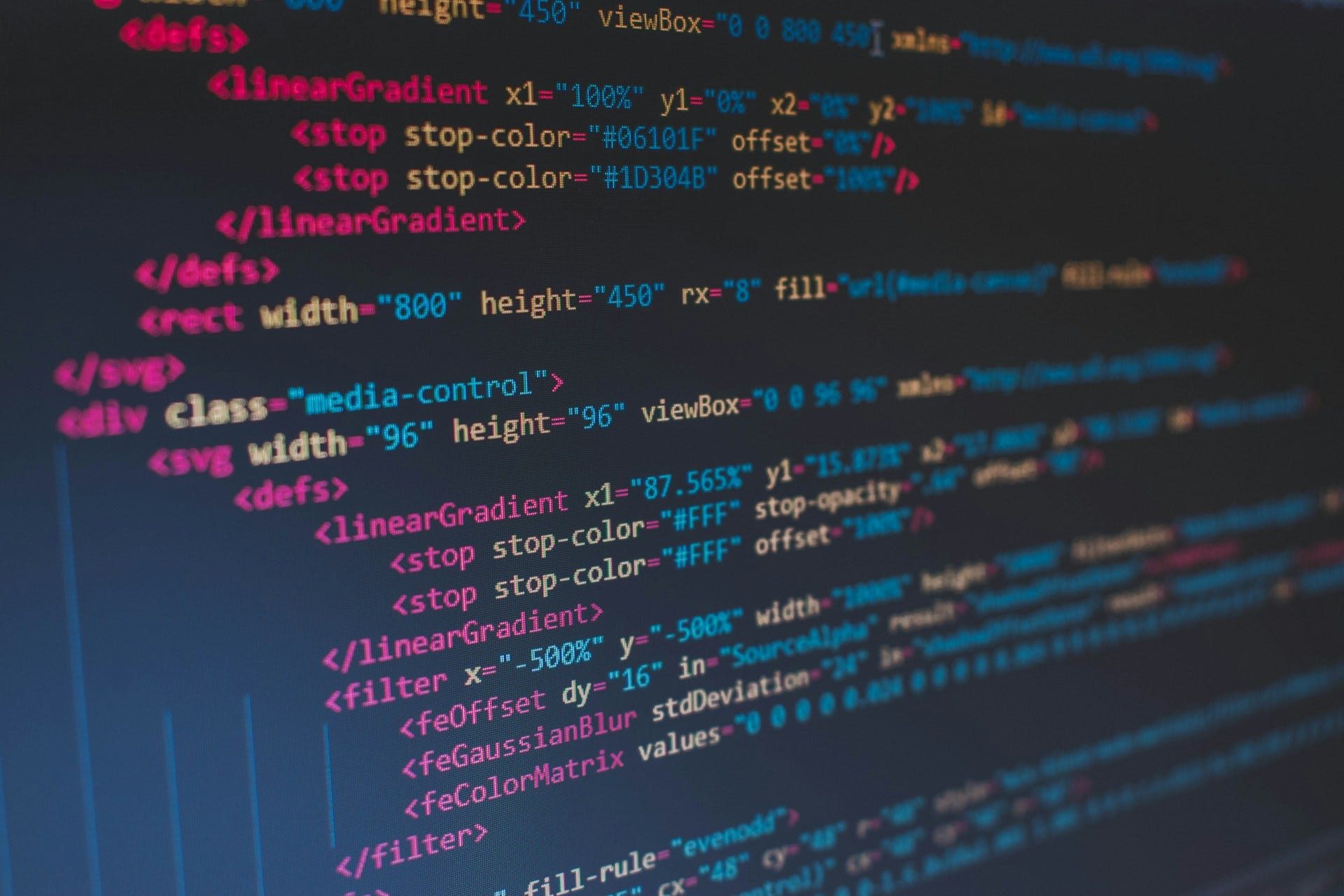
What is Web Development?
Web development refers to the process of creating websites and web applications. It encompasses everything from building a simple static webpage to complex, data-driven applications. The field is typically divided into three key areas:
Front-End Development: Focuses on the visual and interactive aspects of a website. It involves languages like HTML, CSS, and JavaScript to create user interfaces that visitors can see and interact with.
Back-End Development: Deals with the server-side logic, databases, and application functionality. It includes programming languages like Python, Ruby, Node.js, and databases like MySQL, and MongoDB.
Full-Stack Development: Combines both front-end and back-end development, allowing a developer to handle every aspect of a web project.
Why Should You Learn Web Development?
High Demand: With the digital world expanding, skilled web developers are in high demand across industries.
Flexibility: Web development offers the flexibility to work as a freelancer, start your own business, or join a company as a full-time developer.
Creativity: Building websites and applications allows you to express creativity while solving real-world problems.
Community and Resources: The web development community is vast and supportive, with countless free resources to help you learn and grow.
Essential Tools and Technologies
As a beginner, you'll need to familiarize yourself with several key tools and technologies:
HTML (HyperText Markup Language): The backbone of any website, HTML provides the structure of your web pages.
CSS (Cascading Style Sheets): CSS is used to style your HTML, controlling the layout, colours, fonts, and overall look of your website.
JavaScript: A powerful programming language that adds interactivity to your websites, such as animations, form validations, and dynamic content.
Version Control (Git & GitHub): Git is a version control system that tracks changes to your code, while GitHub is a platform for hosting and collaborating on code.
Code Editors: Tools like Visual Studio Code or Sublime Text are essential for writing and editing your code efficiently.
Getting Started
Learn the Basics: Start by mastering HTML, CSS, and JavaScript. Free platforms like freeCodeCamp and W3Schools offer comprehensive tutorials and hands-on projects.
Build Projects: Apply what you've learned by building small projects. Start with simple static websites, then gradually introduce JavaScript to add interactivity.
Join the Community: Engage with the web development community through forums, social media, and coding challenges. Platforms like GitHub, Stack Overflow, and Reddit are great places to start.
Stay Updated: Web development is a fast-paced field. Keep up with the latest trends, tools, and best practices by following blogs, and YouTube channels, and attending webinars.
Continuous Learning: Don’t just stop at the Basics, move on to learn other Frameworks such as React, Vue, Angular etc! Continuous progression is the way!
Conclusion
Embarking on your journey into web development can be both challenging and rewarding. The key is to stay curious, keep practising, and never stop learning. With the right resources and dedication, you'll soon find yourself creating impressive websites and applications, laying the foundation for a successful career in web development. This goes without saying that Web Development also gives you the building blocks to get started in Software Engineering, with your understanding of JavaScript and as you advance with it, you have the potential to pick up any other programming language you deem necessary to add to your skill set.